Traditional Bulgarian Garden Elements for Modern Spaces
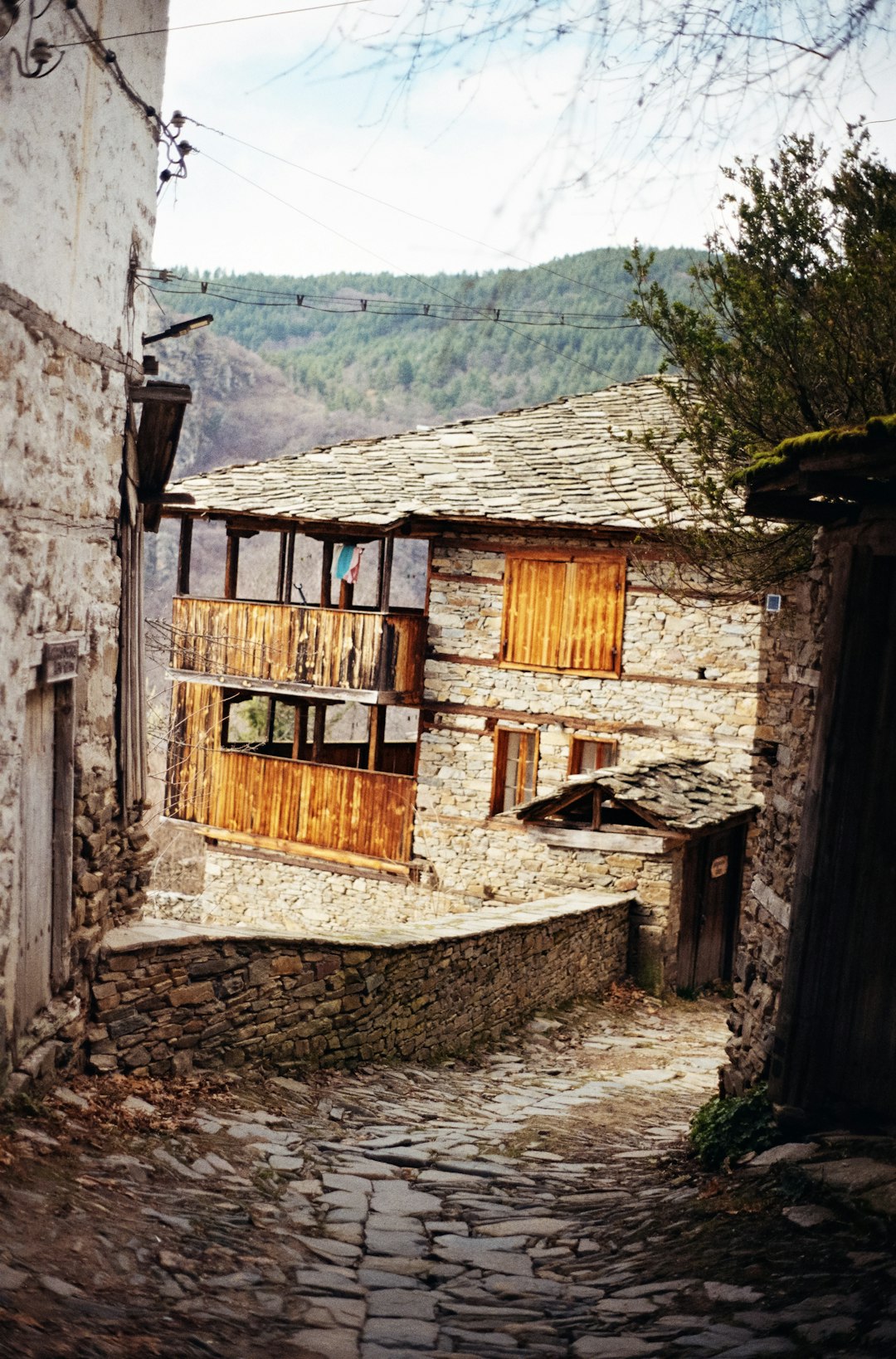
Bulgaria's rich cultural heritage offers a wealth of traditional garden elements that can be beautifully incorporated into modern landscape designs. From ornate stone fountains to intricately carved wooden pergolas, these elements add authenticity and character to contemporary outdoor spaces while honoring the country's unique horticultural traditions.
The Heritage of Bulgarian Gardens
Traditional Bulgarian gardens evolved over centuries, influenced by various cultures including Thracian, Roman, Byzantine, Ottoman, and Slavic traditions. These diverse influences created a unique gardening style characterized by a harmonious blend of ornamental and practical elements, with a strong emphasis on fruit trees, roses, and medicinal herbs.
Bulgarian gardens historically served multiple purposes: providing food, creating beauty, offering shade during hot summers, and establishing spaces for social gatherings. This practical yet aesthetic approach to garden design remains relevant today, especially as more homeowners seek sustainable, functional, and culturally authentic outdoor spaces.

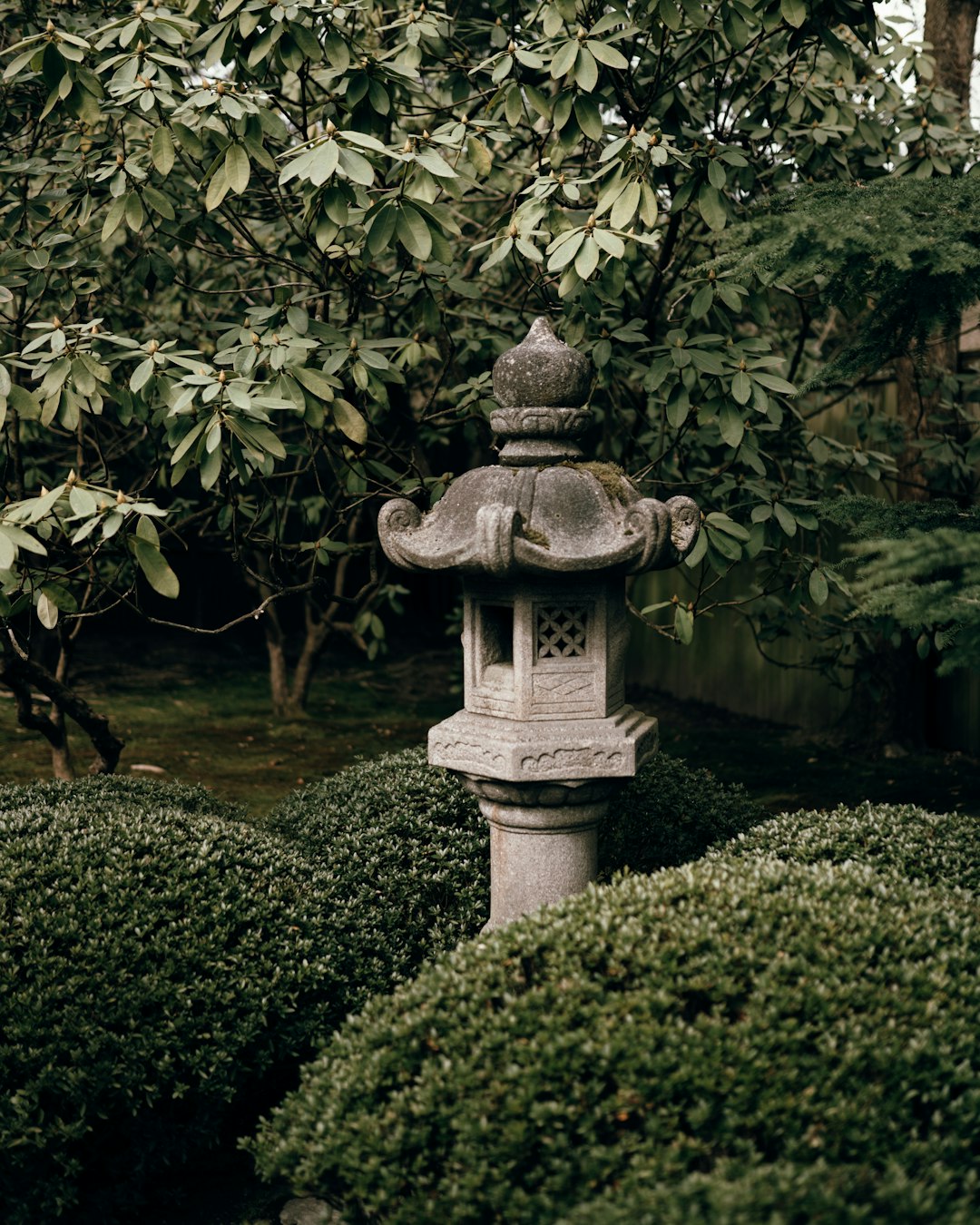
A restored traditional garden at an ethnographic museum in Bulgaria
Key Traditional Elements Worth Incorporating
1. The Stone Cheshma (Fountain)
The stone fountain or "cheshma" was a central feature in many Bulgarian villages and gardens, serving both practical and social functions. Today, a contemporary interpretation of the cheshma can become a stunning focal point in a modern landscape:
- Use local stone that complements your home's architecture
- Incorporate traditional Bulgarian motifs in a simplified, modern way
- Consider a recirculating system for sustainability
- Place it where it creates a natural gathering spot
2. Wooden Pergolas and Arbors
Grape-covered pergolas ("asma") have been a staple of Bulgarian gardens for centuries, providing shade and fruit. Modern adaptations can include:
- Contemporary wood or metal structures with traditional proportions
- Native grape varieties or climbing plants suitable for your microclimate
- Strategic placement to create outdoor dining or relaxation areas
- Optional carved decorative elements inspired by traditional Bulgarian woodwork
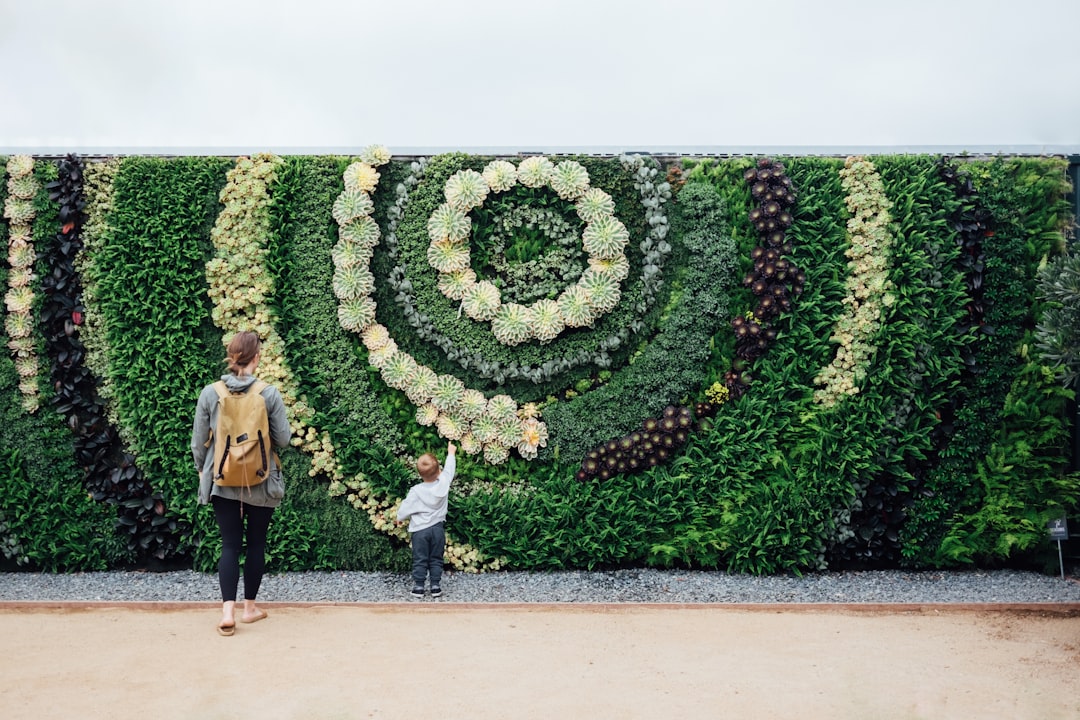
A contemporary pergola with traditional grape varieties provides shade and fruit
3. The Herb and Rose Garden
Bulgaria is world-famous for its rose production and has a rich tradition of medicinal herb cultivation. A dedicated area for roses and herbs honors this heritage:
- Plant Bulgarian Damask roses (Rosa damascena) alongside modern varieties
- Create raised herb beds with traditional medicinal plants like thyme, oregano, and mint
- Use terracotta pots for herbs – a nod to traditional containers
- Design pathways that allow for easy harvesting and enjoyment
4. Stone Pathways and Walls
Natural stone has always been an essential material in Bulgarian gardens, used for walls, pathways, and terracing steep landscapes:
- Use local stone laid in traditional patterns but with clean, modern edges
- Incorporate dry-stacked stone walls as habitat for beneficial wildlife
- Create level changes and terracing on sloped sites, a common feature in mountainous Bulgarian landscapes
- Mix with contemporary materials like corten steel for an updated look
5. Fruit Tree Grove
No traditional Bulgarian garden would be complete without fruit trees. Modern interpretations can include:
- Dwarf or espalier fruit trees for smaller contemporary gardens
- Heritage Bulgarian varieties of apple, plum, cherry, and walnut
- Underplanting with bulbs and perennials for seasonal interest
- Strategic placement for both shade and fruit production
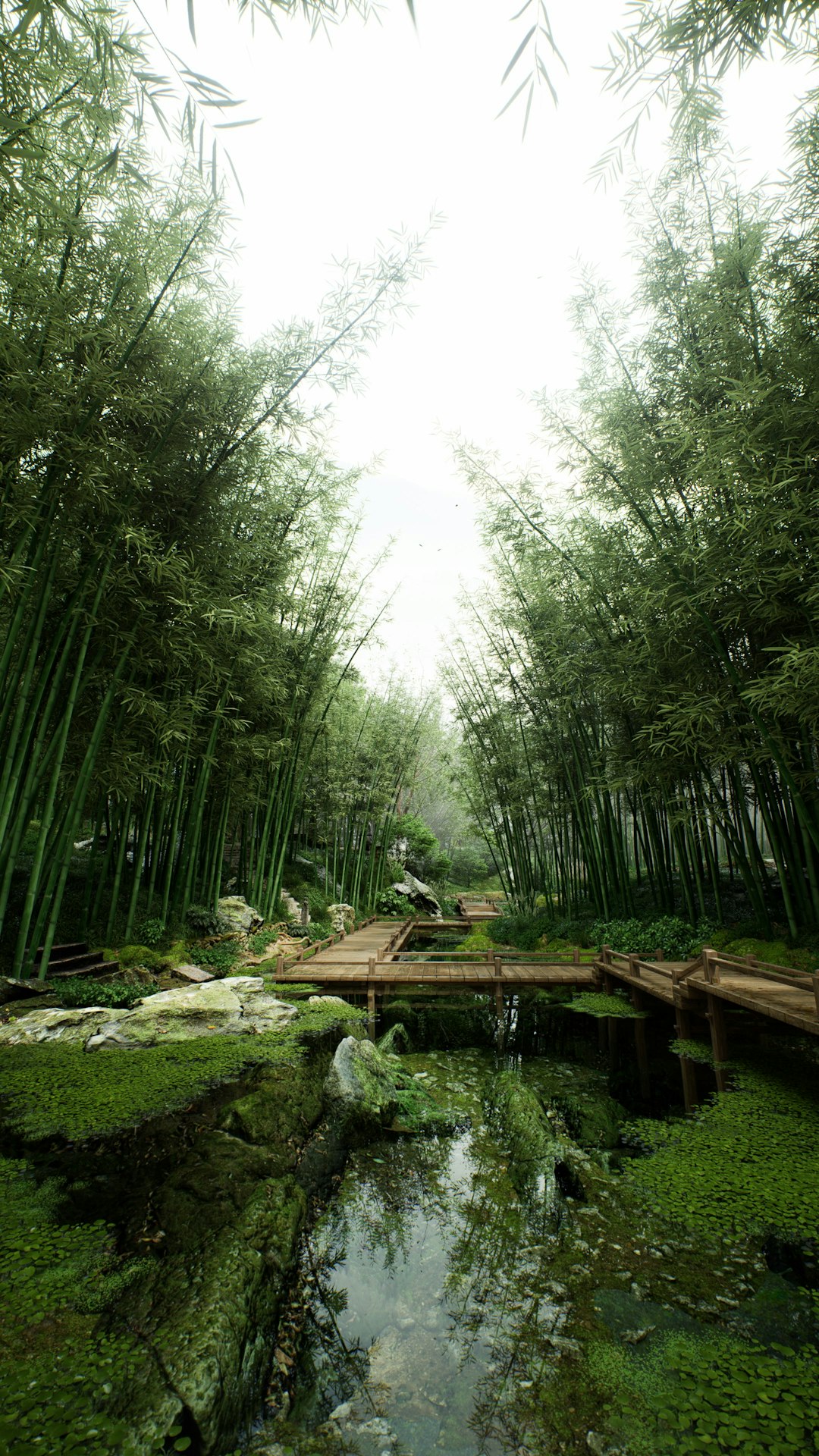
Contemporary garden with traditional fruit trees and modern styling
Contemporary Interpretations: Finding Balance
The key to successfully incorporating traditional Bulgarian elements into modern landscapes lies in finding the right balance. Here are some guiding principles:
Simplify and Refine
Take traditional forms and simplify them, focusing on clean lines while maintaining proportions and essential characteristics. For example, a traditional carved wooden gate might be reimagined with simpler geometric patterns that echo the original but feel contemporary.
Use Authentic Materials
Where possible, use authentic local materials like Bulgarian limestone, sandstone, or regional wood species. These materials age beautifully and connect the garden to its geographic context.
Embrace Functionality
Traditional Bulgarian gardens were highly functional, producing food and medicinal plants. Continue this tradition by ensuring ornamental elements also serve practical purposes – pergolas provide shade, herb gardens supply the kitchen, fruit trees produce harvests.
Create Gathering Spaces
Traditional Bulgarian gardens were social hubs where families gathered and communities celebrated. Design comfortable outdoor seating areas that encourage conversation and connection, positioned to take advantage of views and seasonal interest.
Case Study: A Modern Bulgarian Garden in Veliko Tarnovo
One of our recent projects in the historic city of Veliko Tarnovo demonstrates these principles in action. The homeowners wanted a contemporary outdoor space that honored the rich cultural heritage of this ancient capital city:
- We used local stone to create a modernized version of a traditional cheshma, which serves as both a focal point and a cooling element in summer
- A sleek pergola constructed of metal and wood supports local grape varieties, creating a shaded dining area
- Terraced herb gardens with clean geometric forms contain traditional Bulgarian culinary and medicinal plants
- A small orchard of heritage fruit trees provides seasonal interest and produce
- Contemporary outdoor furniture is arranged to create conversation areas around the garden's traditional elements

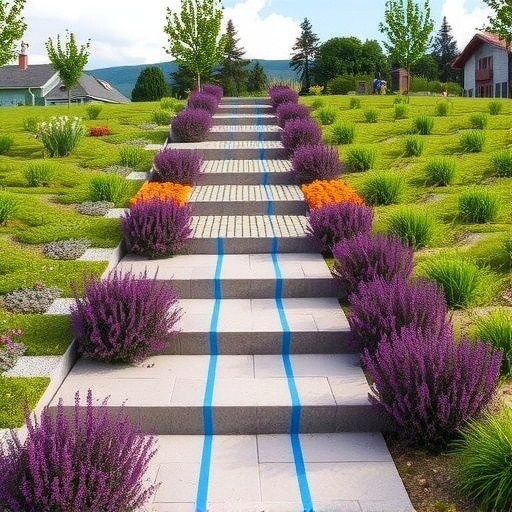
The finished garden blends traditional elements with contemporary design
Conclusion: Honoring Heritage in Contemporary Design
Incorporating traditional Bulgarian garden elements into modern landscapes creates spaces with authentic character and cultural depth. These elements connect us to Bulgaria's rich horticultural heritage while meeting contemporary needs for functionality, sustainability, and beauty.
Whether you're designing a small urban garden or a large rural property, consider how traditional Bulgarian elements might enhance your outdoor space. With thoughtful interpretation and careful balancing of old and new, you can create a landscape that honors the past while embracing the present – a truly timeless garden that will bring joy for generations to come.